TL;DR:
- Community film screenings are local events that foster connection and build loyal audiences through curated programs. Successful formats include family screenings, strong local partnerships, and innovative programming like outdoor or themed nights. Proper technical preparation, legal compliance, and local promotion are essential for creating lasting community cinemas that support independent film.
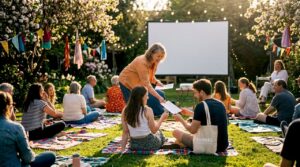
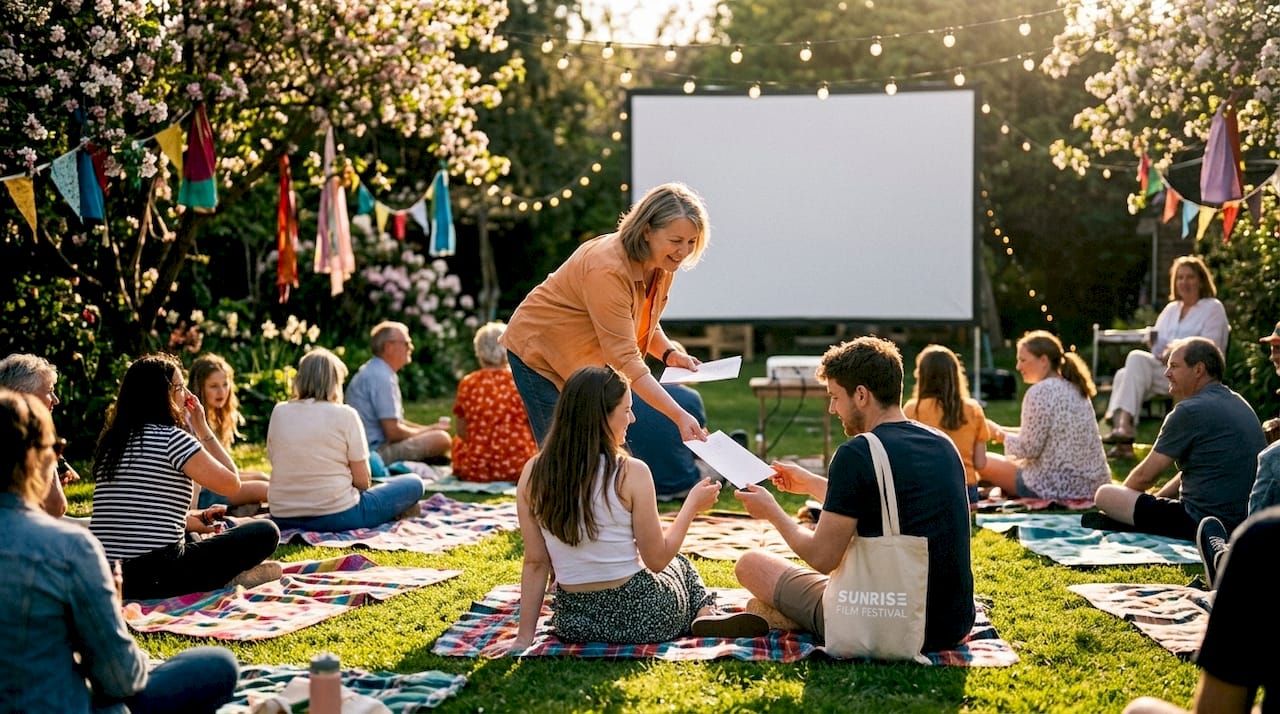
Community film screenings are public film events designed to bring local people together through curated programming and shared experiences. The term “community cinema” is the recognised industry standard for this practice, used by bodies such as the BFI Film Audience Network and Film Hub Scotland to describe locally organised, audience-focused film events. The best examples of community film screenings prove that you do not need a multiplex budget to create something genuinely meaningful. From toddler-friendly morning sessions in Selkirk to silent film nights with live music, these events build loyal audiences, strengthen local identity, and give independent film the platform it deserves. Sunrise Film Festival has seen this first-hand in Suffolk since 2021.
1. What are the best examples of community film screenings for families?
Family and toddler-focused screenings are among the most replicable and rewarding formats in community cinema. Selkirk Community Cinema’s Toddler Cinema series is a standout example. The programme recorded over 450 admissions across three screenings from september to december 2025. That figure is remarkable for a small-town venue and proves that niche programming builds loyal audiences faster than broad, unfocused scheduling.
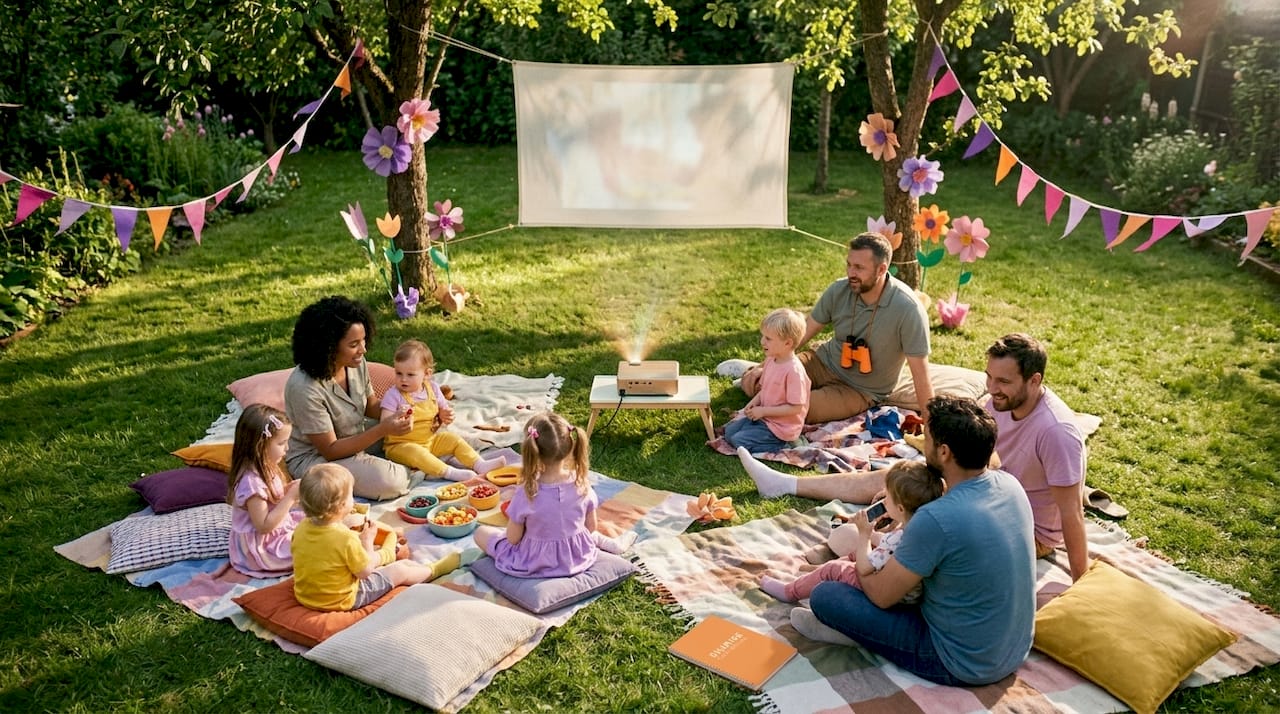
The Toddler Cinema format works because it removes the barriers that stop young families attending standard screenings. Lights stay slightly raised. Noise is welcomed. Prams are parked at the end of rows. The environment signals to parents that they belong there, which is the single most powerful thing a community organiser can do.
Key features that made Selkirk’s family screenings successful:
- Affordable ticket prices that reflect local income levels
- Morning or early afternoon slots that fit nap and school schedules
- Age-appropriate films selected with parental input
- A welcoming, low-pressure atmosphere where children can move freely
- Simple refreshments that feel celebratory without adding cost pressure
Pro Tip: Start with a single toddler or family screening before committing to a series. One well-attended event builds the word-of-mouth that fills the next one.
2. How can collaborations with local groups enhance community screenings?
Partnerships with local organisations transform a one-off screening into a sustained community cinema project. Co-curating film selection with local disability groups, for example, ensures accessibility and representation are built into the programme from the start, not added as an afterthought. Case studies from Scarborough Film Festival and Magic Lantern Cinema demonstrate how this approach produces richer, more attended events.
Building community partnerships early, especially with underrepresented groups, leads to more accessible film programmes. The practical steps for doing this well follow a clear sequence:
- Identify two or three local organisations whose audiences overlap with your intended screening audience.
- Invite them to a planning conversation before you select any films.
- Ask what barriers their members face when attending public events.
- Co-design the event format around those answers.
- Give partner organisations visible credit in all promotion.
“Investing time to develop local partnerships sustains community cinema projects beyond initial screenings. Organisers who rush this stage often find their second event draws half the audience of their first, because the community connection was never genuinely built.”
— Insight from Selkirk Community Cinema’s leadership
The accessibility commitments that Sunrise Film Festival upholds reflect exactly this principle. Representation and access are not optional extras. They are the foundation of any screening that genuinely serves its community.
3. What technical and logistical practices support successful community screenings?
Technical failure is the fastest way to lose an audience’s trust. Testing all playback formats against your specific venue equipment before the event is the single most important step in your technical workflow. A film that plays perfectly on a laptop may stutter or lose audio when routed through a projector and external speakers. Run a full dress rehearsal at least 24 hours before doors open.
Licensing and legal compliance are equally non-negotiable. In the UK, organisers must apply for a Temporary Event Notice (TEN) at least 10 working days before any public screening that charges tickets or involves regulated entertainment. The fee is around £21, and individuals are limited to 5 TENs per year. Missing this step can result in the event being shut down.
| Requirement | Detail |
|---|---|
| Temporary Event Notice (TEN) | Apply at least 10 working days in advance; fee around £21 |
| Public liability insurance | Typically £70–£200 for a one-day screening |
| Film licence | Required separately from TEN; obtain via a film licensing body |
| Equipment test | Full playback test on venue hardware at least 24 hours before |
| Promotion channels | Local physical spots and community digital groups |
Public liability insurance costs typically £70–£200 for a one-day event, depending on scale and risk. That cost is modest relative to the protection it provides, and most venues will require proof of cover before allowing access.
Promotion deserves the same care as logistics. Local physical locations such as post offices, shops, pubs, and school gates outperform large national event listing sites for community reach. Pair physical flyers with posts in community WhatsApp groups and local Facebook pages. That combination reaches the people most likely to attend.
Pro Tip: Create a one-page technical checklist specific to your venue. Laminate it and bring it to every event. It takes 20 minutes to make and saves hours of stress on the night.
4. What innovative programming formats have community cinemas explored?
Creative programming is what separates memorable community cinema from a simple public film showing. HippFest, the Glasgow-based silent film festival, developed a format pairing archive silent films with live musical accompaniment performed by young programmers. The result is a genuinely unique event that attracts audiences who would never attend a standard screening. It also gives emerging artists a public platform, which deepens the event’s community value.
Archive and locally rooted films offer another powerful format. Screenings of films like From Scotland with Love, which weaves together Scottish Film Archive footage, connect audiences to their own history in a way that contemporary releases rarely can. This approach works particularly well in communities with strong local identity, where seeing familiar places and faces on screen creates an immediate emotional connection.
Other innovative formats worth considering:
- Genre-focused series such as horror nights or documentary months that build a dedicated returning audience
- Outdoor screenings in parks, courtyards, or car parks that use the setting as part of the event’s character
- Silent disco cinema, where audiences wear wireless headphones and choose their own audio track
- Post-screening panel discussions with local filmmakers or community figures
- Themed double bills that pair a classic film with a contemporary short on the same subject
The most successful community screenings use film as a springboard for post-screening conversation. The film itself is the starting point, not the endpoint. Organisers who plan a structured discussion or activity after the credits roll consistently report stronger audience satisfaction and higher return attendance. You can read more about the social meaning of film moments and how shared viewing experiences create lasting community bonds.
Focusing on one specific format, such as toddler-oriented films, helps rapidly grow a dedicated audience and refine your operations before expanding. Experienced organisers caution against spreading programming too thin. Concentrating on one audience or genre builds community loyalty and operational consistency far more effectively than trying to serve everyone at once.
Key takeaways
The most effective community film screenings combine niche programming, genuine local partnerships, and careful logistical preparation to build loyal, returning audiences.
| Point | Details |
|---|---|
| Niche programming drives attendance | Toddler Cinema and genre-focused series build loyal audiences faster than broad scheduling. |
| Partnerships must come first | Co-curating with local groups before selecting films produces more accessible, better-attended events. |
| Licensing is non-negotiable | Apply for a Temporary Event Notice at least 10 working days before any public screening. |
| Technical preparation prevents failure | Test all playback equipment on venue hardware at least 24 hours before the event. |
| Local promotion outperforms national listings | Flyers in community spaces and posts in local digital groups reach the right audience most effectively. |
Sunrise Film Festival’s perspective on building screenings that last
The organisers who build something lasting are rarely the ones with the biggest budgets. They are the ones who resist the temptation to do everything at once.
At Sunrise Film Festival, we have watched community organisers across East Anglia launch with enormous ambition and then quietly disappear after two or three events. The pattern is almost always the same: too many formats, too many audiences, and not enough time spent building the relationships that fill seats. The conventional wisdom says variety attracts more people. Our experience says the opposite. One clear format, done consistently and well, creates the word-of-mouth that no marketing budget can replicate.
The other lesson we keep returning to is that the film is rarely the most important part of the evening. What people remember is how the event made them feel. Did they feel welcome? Did they talk to someone new? Did the organiser know their name by the third visit? Those are the details that turn a one-off public film showing into a genuine community institution. If you are planning your first screening, read our guide on how film screenings are organised before you book a venue.
We also believe strongly that community cinema is one of the most effective ways to give independent film the audience it deserves. The films that change how people see the world rarely play at the local multiplex. Community screenings are where those films find their people.
— Sunrise Film Festival
Sunrise Film Festival and your community screening ambitions
Sunrise Film Festival has been championing independent film in Suffolk since 2021, bringing exceptional cinema to one of the most underserved communities in England. If you are a community organiser looking for inspiration, or a filmmaker wanting your work seen by a genuinely engaged local audience, the festival offers a direct connection to both.

The 2026 festival schedule is now available, featuring a diverse selection of independent films curated for audiences across East Anglia. Sunrise Film Festival also holds BIFA festival qualification, which means films screened here carry genuine industry recognition. Whether you want to attend, submit a film, or simply learn from a festival that has built real community impact from the ground up, Sunrise Film Festival is the place to start. Explore the 2026 screening films and see what community cinema looks like when it is done with care.
FAQ
What is a community film screening?
A community film screening is a publicly organised film event curated for a local audience, typically outside a commercial cinema setting. The industry standard term is “community cinema,” used by bodies such as the BFI Film Audience Network.
Do I need a licence to host a community film screening in the UK?
Yes. You need a film licence to screen most films publicly, and a Temporary Event Notice (TEN) if you are charging tickets or providing regulated entertainment. Apply for the TEN at least 10 working days before the event.
How much does public liability insurance cost for a film screening?
Public liability insurance for a one-day community screening typically costs between £70 and £200, depending on the scale and risk level of the event.
What is the best way to promote a local film screening?
Local promotion through physical community spaces such as post offices, shops, and school gates, combined with community WhatsApp and Facebook groups, consistently outperforms large national event listing platforms.
How do I find examples of community cinema projects to learn from?
Film Hub Scotland and the BFI Film Audience Network publish detailed case studies of community cinema projects across the UK. Sunrise Film Festival also documents its own free film screenings and community engagement work on its website.